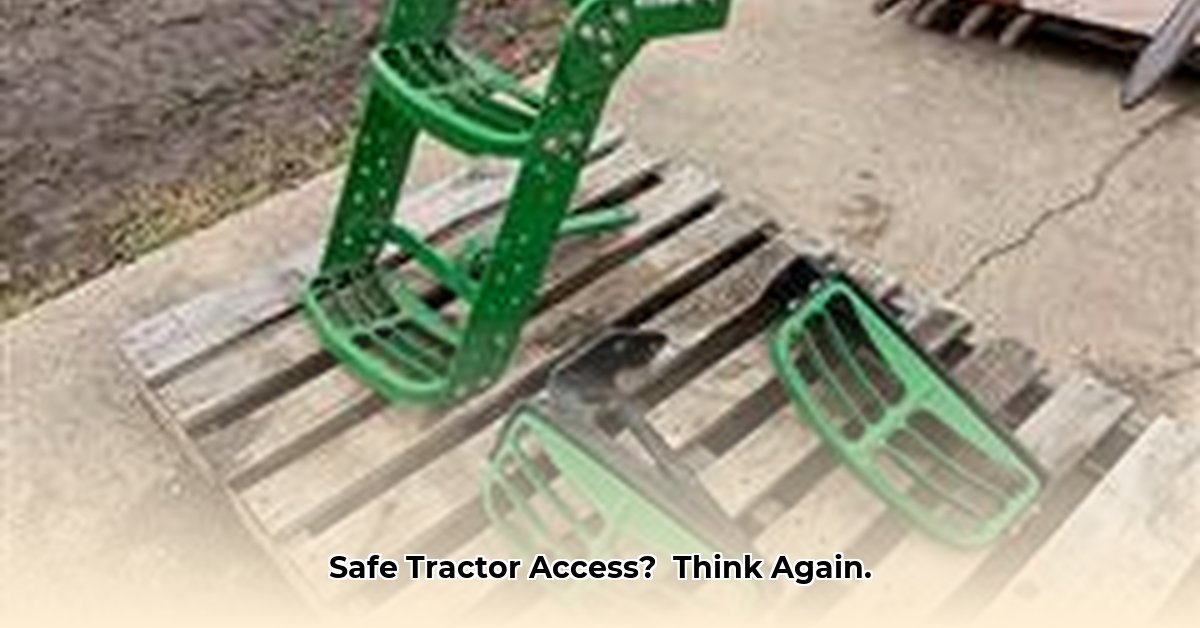
Climbing onto and off a tractor shouldn't be a risky endeavor. Many farmers suffer injuries from falls due to inadequate access points. This guide provides clear instructions on choosing, installing, and maintaining safe tractor steps and handrails, helping you avoid potentially serious accidents. We'll cover everything from selecting the right materials to performing regular maintenance.
Choosing the Right Tractor Steps and Handrails
Selecting the right steps and handrails is crucial for both safety and longevity. You'll primarily find two options: original equipment manufacturer (OEM) parts and aftermarket alternatives. OEM parts, while often more expensive, are designed specifically for your tractor model, ensuring a perfect fit. Aftermarket options offer a wider range of styles, materials, and price points—often significantly cheaper—but require careful research to ensure compatibility and safety. Websites like TractorSeats.com1 showcase the diversity of aftermarket options and their associated pricing.
Consider these crucial factors:
- Material: Steel offers strength and durability, while aluminum provides a lighter alternative. Choose rust-resistant or powder-coated materials for weather protection, especially in harsh climates.
- Durability: Read online reviews and check for manufacturer warranties. A warranty demonstrates the manufacturer's confidence in the product's quality.
- Safety Features: Prioritize non-slip treads, sturdy handrails, and secure mounting brackets. A less steep step angle improves safety, especially in wet or icy conditions.
Let's analyze the risks involved and how to mitigate them:
| Feature | Risk Level | Mitigation |
|---|---|---|
| Aftermarket Compatibility | Medium | Verify compatibility with your tractor model before purchasing. |
| Material Durability | Medium | Select high-quality, weather-resistant materials; check warranties. |
| Installation Complexity | Low to Medium | Follow instructions carefully; consider professional installation if needed. |
| Inadequate Safety Features | High | Prioritize non-slip surfaces, sturdy handrails, and secure mounting. |
| Lack of Regular Maintenance | High | Inspect and maintain regularly to prevent damage and ensure stability. |
Isn't it worth investing in safety to prevent a potentially career-ending injury? The cost of a high-quality set of steps is a small price compared to medical bills or lost productivity.
Installing Your Tractor Steps: A Step-by-Step Guide
Installation varies depending on whether you use OEM or aftermarket parts. Always prioritize safety. If you're uncomfortable with DIY projects, hire a professional installer. Improper installation compromises safety and may void warranties.
OEM Installation:
- Consult your tractor's manual: This provides specific instructions and safety precautions.
- Gather necessary tools: Collect all tools listed in your manual.
- Prepare the mounting area: Thoroughly clean the mounting area.
- Follow instructions meticulously: Proceed step-by-step, seeking clarification if needed.
- Test for stability: After installation, thoroughly test the steps and handrails for stability.
Aftermarket Installation:
- Study the manufacturer's instructions: Carefully review the instructions before starting.
- Gather tools and materials: Ensure you have everything needed, including any specialized hardware.
- Assess your skills: If unsure, hire a professional installer to avoid potential mistakes.
- Double-check your work: After completion, thoroughly inspect all connections to ensure stability.
Remember, a poorly installed step can lead to a serious fall. Is your time truly worth the risk?
Safety Regulations and Standards: A Call to Action
Currently, a lack of standardized safety regulations for tractor access equipment exists. This poses a significant safety risk. While some regions have voluntary guidelines, a universal standard is crucial. We need stronger regulations to ensure consistent safety levels across all manufacturers and to give farmers confidence in the products they buy. Contact your local agricultural organizations and representatives to advocate for improved safety standards. Your voice can make a significant difference in improving farm safety.
Maintenance and Care: Simple Steps for Longevity
Regular maintenance is vital for the longevity and safety of your tractor steps and handrails.
- Regular Inspections (Monthly): Check for wear, loose bolts, or damaged components.
- Tightening Bolts: Periodically tighten all bolts and fasteners to ensure everything is secure.
- Cleaning: Keep steps clean to prevent corrosion.
- Corrosion Protection: Apply rust inhibitors or protective coatings as needed.
- Prompt Repair/Replacement: Repair or replace any damaged parts immediately.
Proactive maintenance prevents accidents and extends the lifespan of your equipment. Isn't preventing costly repairs and injuries reason enough to perform regular maintenance?
Conclusion
Improving tractor safety is a shared responsibility. By carefully choosing, correctly installing, and regularly maintaining safe tractor steps and handrails, you significantly reduce the risk of accidents. Prioritize safety, and advocate for better regulations to create a safer farming environment for everyone.